Wayfair Furniture Review: What to Check Before You Buy Sofas, Wall Beds, Tables, or Rugs
Wayfair isn't a single furniture maker — it's a marketplace offering products from multiple suppliers, so its reliability depends far more on...
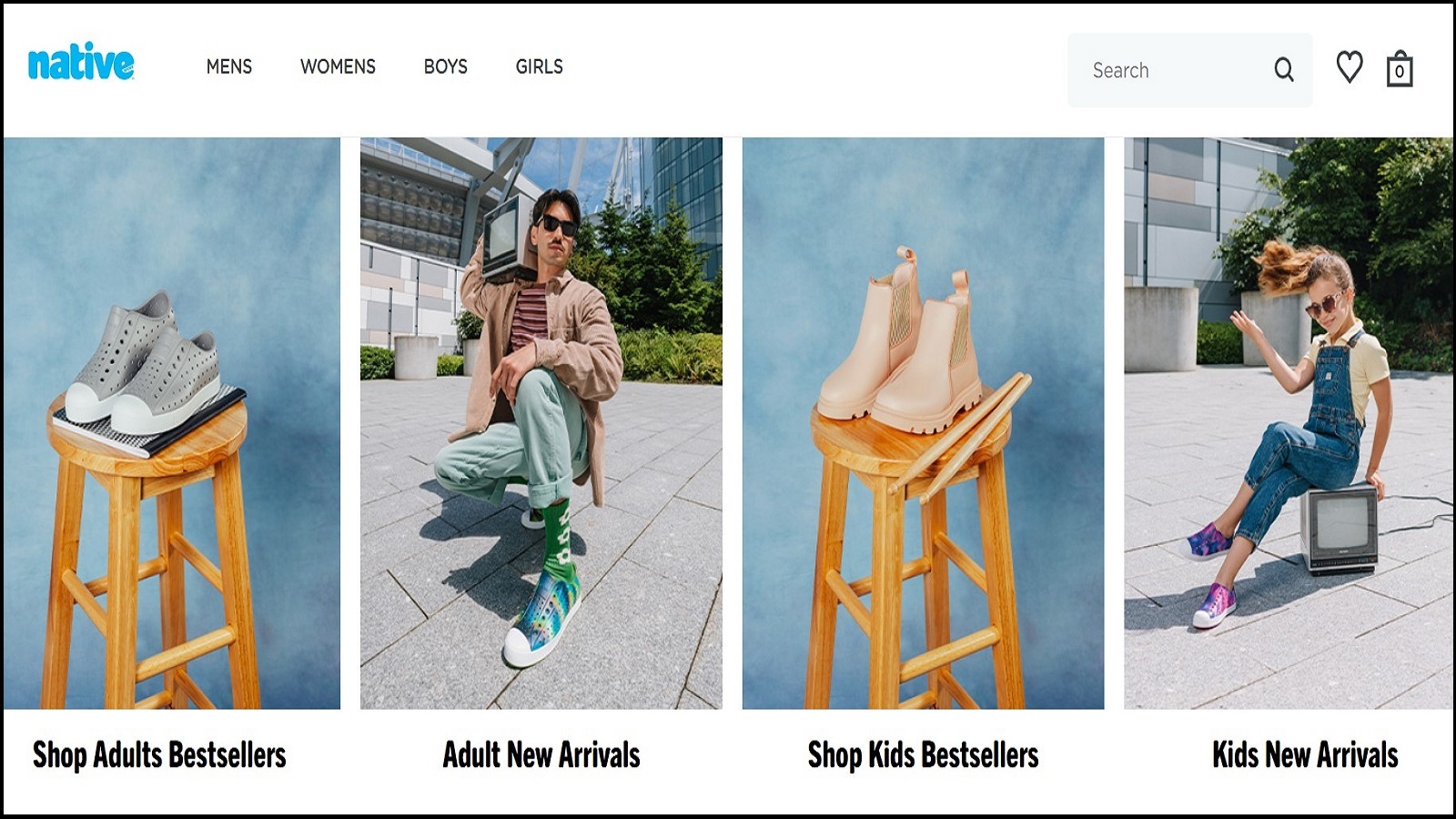
Short answer: Native Shoes looks most compelling if you want lightweight, easy-care casual footwear and you are willing to check the fit of the exact model before ordering. The comfort story is plausible from the brand's materials and construction notes, but it is not universal across the catalog. This is an evidence review based on current Native Shoes pages, not first-hand testing.
Table Of Contents
| Question | What Native Shoes shows now | Why it matters |
|---|---|---|
| Are they positioned as comfortable? | Yes. Native says on its Our Purpose page that comfort comes from materials and construction choices, and product pages highlight Wanderfoam and EVA-based cushioning. | The brand has a coherent comfort framework, but it is still the brand's claim rather than independent proof. |
| Is fit consistent across the catalog? | No. The help page uses unisex M and W sizing, while some product pages warn that certain models fit narrow or small. | Model-level fit notes matter more than the overall brand story. |
| What are the materials? | Native highlights bio-based inputs such as Sugarlite, Bloom, and Wanderfoam, and many product pages list EVA-based construction. | The materials direction is a real differentiator if lighter-weight molded footwear is what you want. |
| How flexible are returns? | For U.S. direct orders, regular-priced shoes currently get a 30-day return window. International returns are customer-funded and sale items are final sale. | Return convenience depends heavily on where you live and whether you bought direct. |
| What does the warranty cover? | Native says it offers up to a one-year warranty for manufacturer defects in materials or workmanship. | Fit and sizing issues are specifically outside that warranty. |
Native's current brand language is more specific than the old article. On its Our Purpose page, the company says comfort comes from deliberate material and construction choices, and that technologies such as Wanderfoam are designed to make footwear feel effortless over time.
That same comfort framing shows up on current product pages. For example, the Jefferson Wanderfoam Block page describes a flexible, sugarcane-infused foam upper and says the shoe is lightweight, water-friendly, hand washable, and designed for a more comfortable fit with little to no break-in period. That is useful evidence of design intent, but it is still brand testimony, not an independent lab or wear-study verdict.
If you are asking whether Native Shoes are comfortable, the safer answer is: sometimes very likely, but only if the silhouette matches your foot. Native's help page says the brand uses unisex men's and women's sizing, which is already a hint that buyers should slow down and convert sizes carefully.
More importantly, Native's own product pages are not uniform. The Jefferson Clog Wanderfoam page says the shoe fits narrow and suggests sizing up for wide feet, while the Spencer LX Wanderfoam page says the model fits small and recommends going up one full size. That means you should treat each model as its own fit case rather than assume the whole brand wears the same.
Native is not only selling style and softness. On its brand page, it says impact starts with material choice and points shoppers toward inputs such as sugarcane-based Sugarlite and algae-powered Bloom. Its Materials with Purpose page adds that Wanderfoam is meant to combine softness, flexibility, and broader fit adaptability while working alongside those bio-based materials.
The company also continues to highlight its Remix project, where worn pairs are collected for donation or grinding into new community uses. Those sustainability claims are part of the brand's public positioning and may matter if you prefer molded casual shoes with a clearer materials story than a generic EVA slip-on.
Native's current help center says regular-priced direct orders in the United States can be returned within 30 days of receipt, with qualifying returns handled through UPS or Happy Returns. The same page says the brand does not currently offer exchanges, so the practical process is return and reorder.
The same help page also adds important limits: shoes with removed tags, outside wear, or missing boxes are not eligible; Last Chance and sale items are final sale; and retailer purchases must go back to the original store. For international orders, returns are customer-funded through Global-E. So the return experience is materially better if you buy direct in the U.S. than if you buy internationally or through another retailer.
Native's warranty form and help center say the brand offers up to one year of coverage for manufacturer defects in materials or workmanship, and that claims require proof of purchase plus photos of the issue.
Just as important, Native also says fit and sizing issues are not covered under warranty. If you buy the wrong size, the relevant protection is the return policy, not the defect policy. That distinction matters because some shoppers casually treat comfort complaints as warranty complaints when the brand clearly does not.
Native's current help page says U.S. orders typically process in one to two business days and then move through the selected shipping method. It also says the company is not able to cancel or modify orders once placed, because processing begins immediately.
That same page says shipped orders cannot be redirected to a different address, and international orders run through Global-E with location-based delivery timing and optional duty prepayment at checkout. In plain terms, Native looks easiest to use when you are confident about model, size, and shipping address before you press buy.
Native's help center says EVA shoes can be hand-washed with lukewarm water and gentle soap, then dried in a cool shaded area. The brand also warns against washing machines, dryers, dishwashers, and leaving EVA shoes in direct heat or a hot car because heat can deform them.
That supports the idea that Native shoes are low-maintenance for everyday wear, but it also tells you what kind of durability to expect: easy-care within their intended use, not indestructible across rough heat exposure.
Native Shoes makes the strongest case when you want lightweight casual footwear and you choose the exact model carefully. The comfort pitch is supported by a clear internal materials story and sensible care guidance, but the brand's own fit warnings show that comfort is not one-size-fits-all. Buy the model, not just the logo.