Where Does Amazon Fresh's Food Come From? Sourcing vs. Fulfillment Explained
Amazon Fresh groceries don't come from a single farm, warehouse, or trucking network. Individual products are sourced and packaged by their own manufac...
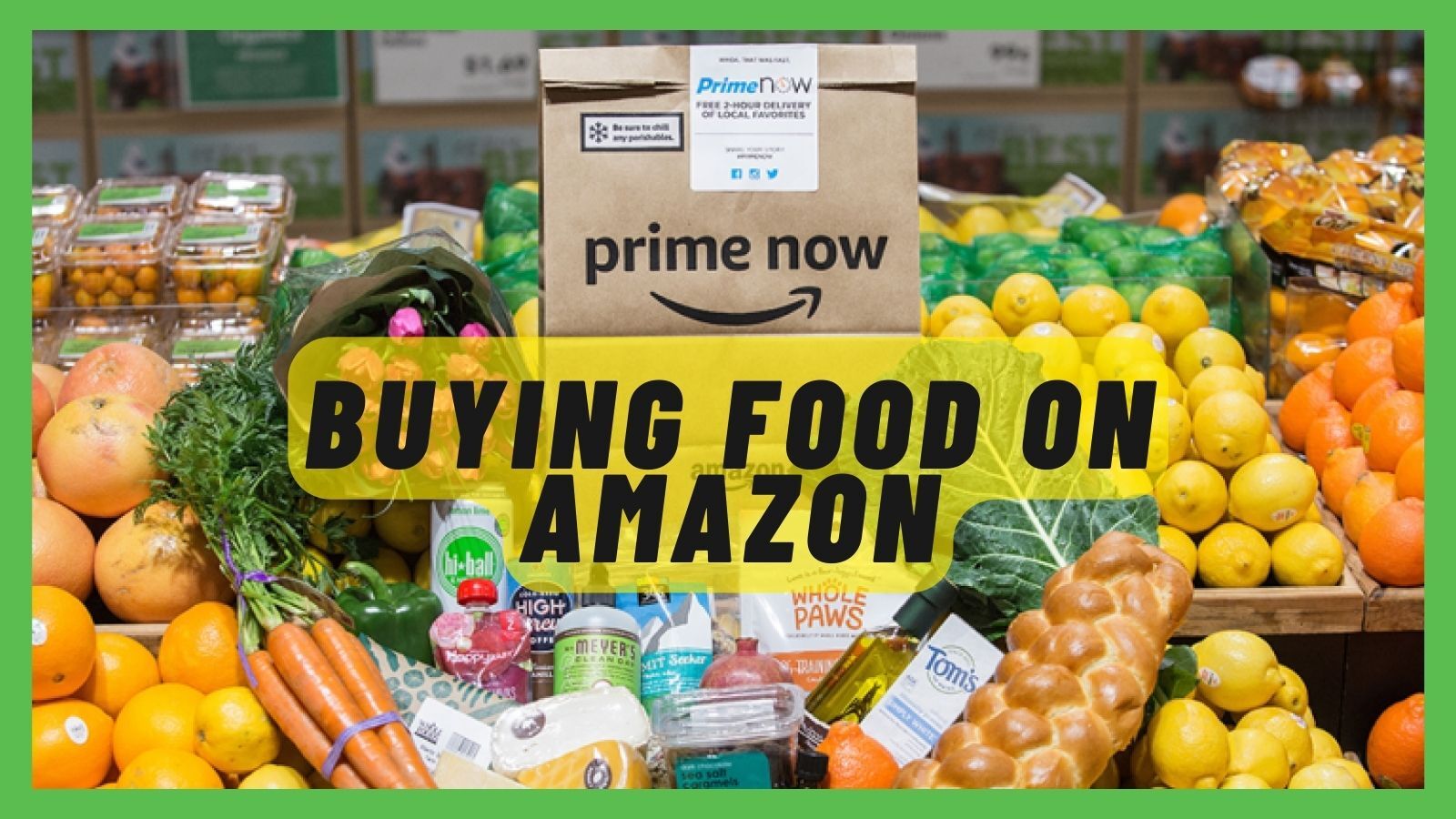
Yes, you can buy food on Amazon, but the useful answer is that Amazon now sells food through several different order paths: regular shipped grocery and pantry items on Amazon.com, local grocery delivery through Amazon Fresh, and pickup or delivery from Whole Foods Market on Amazon. The right choice depends on whether you need shelf-stable shipping, refrigerated local delivery, or an order surface that clearly marks SNAP EBT eligibility.
Table Of Contents
| Order path | Best for | What to check before checkout |
|---|---|---|
| Amazon.com grocery and essentials | Pantry staples and nonperishables. | Seller, shipping speed, and return eligibility on the product page. |
| Amazon Fresh | Local grocery delivery and faster windows in eligible regions. | Your ZIP code, delivery window, service fees, and substitutions. |
| Whole Foods Market on Amazon | Pickup or delivery from a local Whole Foods store. | Pickup versus delivery, rush fees, and whether SNAP EBT is available on that order surface. |
| Whole Foods shipped pantry items | Nonperishable 365 by Whole Foods Market and related branded pantry goods. | Whether the order is shipped nationwide or tied to a local store. |
If you are buying shelf-stable food, Amazon is usually functioning like a standard e-commerce store rather than a same-day grocer. Whole Foods Market’s official FAQ says customers can shop select, nonperishable 365 by Whole Foods Market, Whole Foods Market, and Whole Paws branded items for shipping nationwide, and its online ordering page also points shoppers to pantry essentials shipped to you. For these orders, check the product detail page like any other Amazon purchase because shipping speed and return eligibility can vary by listing.
If you need produce, refrigerated goods, frozen foods, or a normal weekly grocery basket, Amazon wants you on a local-store flow instead of ordinary parcel shipping. Amazon’s grocery page says Prime members can get 2-hour grocery delivery from Amazon Fresh, Whole Foods Market, and other local or specialty stores on Amazon in select regions, while Whole Foods’ FAQ explains the pickup and delivery process through amazon.com/wholefoods or the Amazon app.
Delivery speed depends entirely on the order path. Amazon’s grocery page says some Amazon.com essentials can arrive as fast as 5 hours with Amazon Same-Day Delivery, while Prime members in eligible regions can get ultrafast 2-hour grocery delivery for Amazon Fresh and Whole Foods orders. Whole Foods pickup is also designed around scheduled windows, and its pickup page says shoppers choose a 1-hour pickup window during checkout.
You should assume fees differ by order type. Whole Foods’ FAQ says delivery includes a service fee and rush options can cost more, while pickup is free on orders of any size. Amazon’s grocery page also says Subscribe & Save can reduce the cost of eligible everyday essentials by up to 15%, which is most useful for pantry items you rebuy regularly rather than one-off fresh grocery baskets.
Yes, but only on the exact surfaces Amazon marks as eligible. Whole Foods Market’s official FAQ says SNAP EBT is accepted for SNAP-eligible products on delivery and pickup orders in U.S. Whole Foods Market locations. The same FAQ also says you can add your card through Amazon’s SNAP setup flow, and that SNAP EBT funds cannot be used for shipping, delivery, or service fees. So the practical rule is simple: look for Amazon’s eligibility marking on the listing or checkout surface, then expect to pay non-food fees with another payment method.
Amazon’s current Return Policy says perishables are non-returnable. The same policy also says that if a non-returnable item arrives damaged, defective, or materially different from what was ordered, you should contact Customer Service. For ordinary items, Amazon tells shoppers to check the product detail page before buying and the relevant information in Order History after purchase, which is the safest way to confirm what return path applies to a specific food listing.
It is good for convenience when you use the right lane. Amazon is strongest when you know whether you want pantry shipping, fast local grocery delivery, or Whole Foods pickup. It is weaker when you treat every food listing as if it follows the same shipping, fee, and return rules, because Amazon’s own help pages show that those rules vary by order surface.
Buying food on Amazon is normal now, but it is not one single experience. Use Amazon.com for pantry staples, use Amazon Fresh or Whole Foods on Amazon for local grocery orders, and always check the exact listing or checkout surface for speed, fees, substitutions, and SNAP EBT eligibility before you place the order.